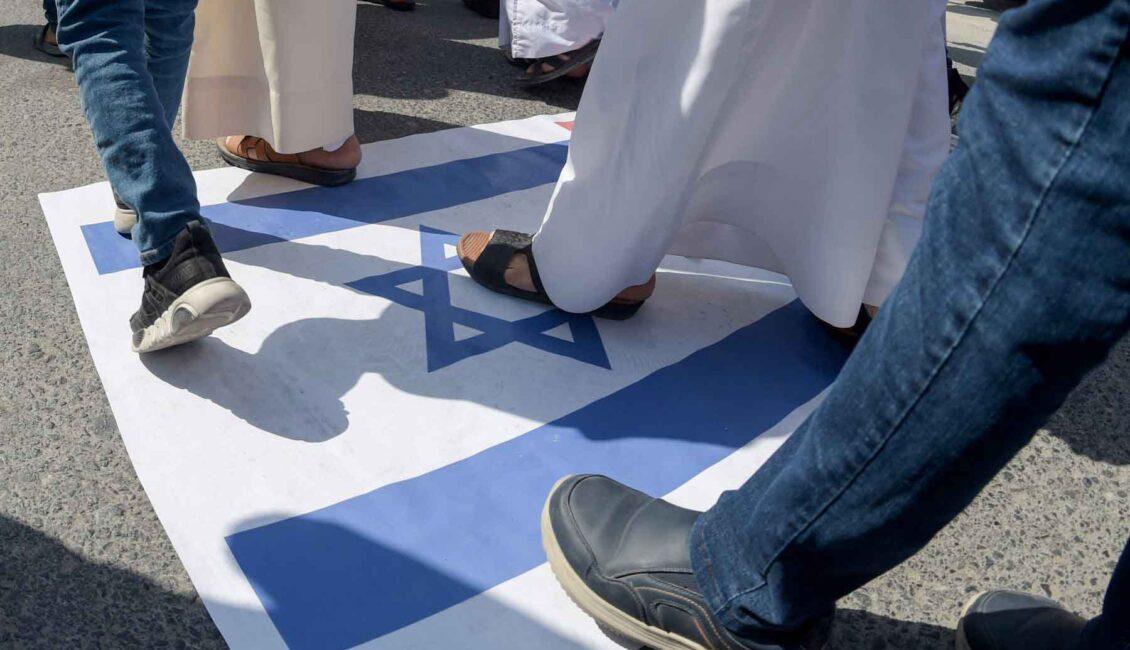
Laws or decisions to boycott products from Israel and its allies or those suspected of supporting behavior that is contrary to religious beliefs can be a sensitive topic at this time. But there is no doubt that they continue to commit injustice against the Palestinian people and Muslims around the world.
On the other hand, dealing with infidels in worldly trade and cooperation is something that has become part of the lives of Muslims. Therefore, the issue of boycotting Israeli, French, US, and allied products has become a polemic in the Muslim community.
The law utilizes the products of infidels and immoral people
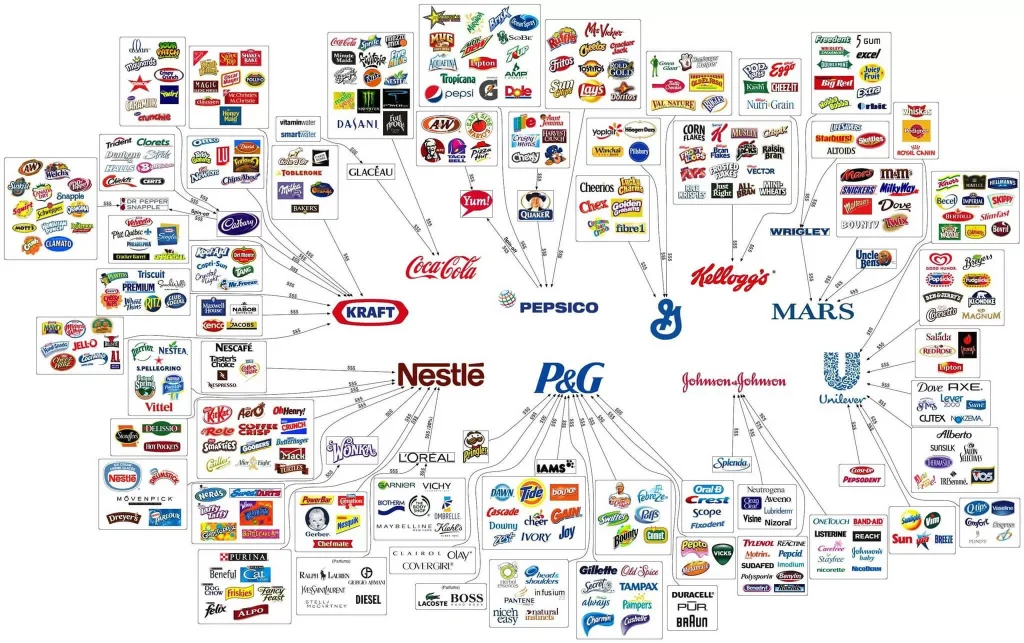
In Islam, using products from infidels or those who commit immoral acts is not considered a sin or a prohibited act. Islam teaches the principles of justice, tolerance and a fair attitude towards all people, regardless of their religion or background. Fiqhiyyah rules established by scholars:
God willing, God willing, God willing, God willing
"The original law of the muamalah case is that it is permissible (permissible), until an argument comes that forbids it"
Mutual worship with infidels is also permitted in the Qur'an. Allah ta'ala said:
لا يَنْهَاكُمُ اللَّهُ عَنِ الَّذِينَ لَمْ يُقَاتِلُوكُمْ فِي الد ِّينِ وَلَمْ يُخْرِجُوكُمْ مِنْ دِيَارِكُمْ أَنْ تَبَرُّوهُمْ وَتُقْسِطُوا إِلَيْهِمْ إِنَّ اللَّهَ يُحِبُّ الْمُقْسِطِينَ
"Allah does not forbid you to do good and be fair to those who do not fight you because of religion and do not (also) expel you from your land. Indeed, Allah loves those who act justly” (QS. Al Mumtahanah: 8).
Rasulullah Sallallahu'alaihi Wasallam also used the products of infidels and started business with infidels. From Aisha may Allah be pleased with him he said,
God willing ى أجلٍ ، ورهَنه دِرعًا من حديدٍ
"Prophet May Allah bless him and grant him peace once bought food from a Jew on debt, then he pawned his iron armor to that persont” (HR. Bukhari no. 2068).
From Aisyah may Allah be pleased with him he said,
واستأجَرَ رسولُ اللهِ صلى الله عليه وسلم وأبو بكر رجلًا مِن بني الد God willing راحلتيهما ، وواعداه غارَ ثورٍ بعدَ ثلاثَ ليالٍ ، فأتاهما براحلتَيْ هما صبحَ ثلاثٍ
"Rasulullah May Allah bless him and grant him peace and Abu Bakr hired a man from Bani Ad-Dail from Bani Adi bin Adi as a guide, even though he was still a Quraish infidel at that time. Then the Prophet and Abu Bakr handed over their riding camels to the man and promised to meet in the Tsaur cave after three days. Then the man came with the two camels early in the morning on the third dayi” (HR. Bukhari no. 2264).
From the above evidence, it is clear that the basic law of worldly transactions with infidels is permissible, and thYou can't say it's haram without a reason. And it is not permissible to forbid what Allan and His Messenger did not forbid. This includes lying in the name of Allah. Allah ta'ala said:
God bless you God bless you God willing, God willing, God willing, God willing
"And do not say what your tongue says falsely, "this is halal and this is haram", to invent lies against Allah. Indeed, those who invent lies against Allah are not lucky”
(QS. An Nahl: 116).
Of course, this permissible law can turn into haram when there is something haram, such as selling haram products such as: khamr, pork, musical instruments, etc., or muamalah in disobedience to Allah such as collaborating on usury transactions, renting out houses for prostitution, Karaoke. , bars, etc.
Boycott when there is benefit
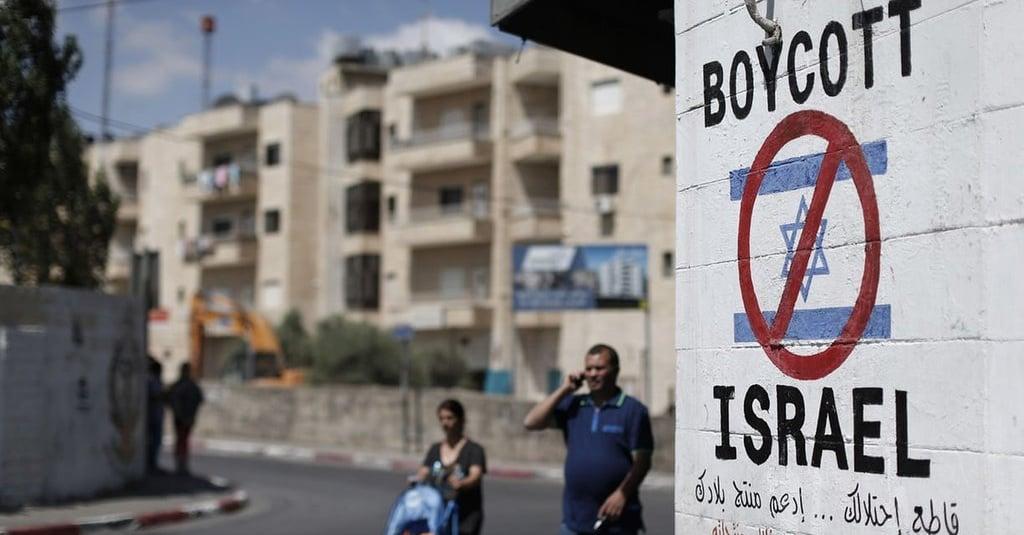
Boycotts, in the context of Islam, should be used as a last resort and in cases where there is clear good to be gained from the boycott. Boycotting is not an action taken lightly, because in Islam, it is important to consider the goals, impacts, and benefits that will be gained or lost from the action..
In some cases, A boycott can be considered an appropriate action if it is used as a peaceful and legitimate form of protest against actions or policies that are detrimental to or violate important values in religion or society.. However, boycotts should not be done carelessly, but after careful consideration of the consequences, impacts, and goals to be achieved.
It is important to note that Boycotts should not be used as a tool to spread hatred or hostility towards a group or individual.. It is better to choose the path of dialogue, a wise approach, or alternative steps that better promote peace and understanding between individuals.
The existence of a boycott attitude towards certain products from infidels arises because it is considered to have benefits or in order to minimize harm for Muslims.
Like products of infidels whose producers are known to have played a role in colonizing Muslim countries. So by buying their products, it is feared that they will strengthen their actions in colonizing Muslims.. Or, products whose producers are known to be LGBT supporters that endanger the Muslim community. For the benefit of narrowing the movement that supports such immorality, then the products are boycotted.
As this was once done by Tsumamah bin Utsal radhiallahu'anhu. It is mentioned in the hadith,
فَبَشَّرَهُ رَسُولُ اللَّهِ صَلَّى اللهُ عَلَيْهِ وَسَلَّمَ وَأَ مَرَهُ أَنْ يَعْتَمِرَ، فَلَمَّا قَدِمَ مَكَّةَ، قَالَ لَهُ قَائِلٌ: وَلَكِنْ أَسْلَمْتُ مَعَ مُحَمَّدٍ رَسُولِ اللَّهِ صَلَّى اللهُ عَلَيْهْ لَا يَأْتِيكُمْ مِنْ الْيَمَامَةِ حَبَّةُ حِنْطَةٍ حَتَّى يَأْذَ نَ فِيهَا النَّبِيُّ صَلَّى اللهُ عَلَيْهِ وَسَلَّمَ
"Rasulullah sallallaahu 'alaihi wa sallam gave good news to Tsumamah and ordered her to perform the Umrah. When Tsumamah arrived in Mecca (for Umrah), someone said to her: "Have you apostatized (from the religion of your ancestors)?" Tsumamah said: "No, in fact I have converted to Islam with Muhammad Rasulullah sallallaahu 'alaihi wa sallam. By Allah, you will not get grain from Yamamah (up to the Quraysh), unless the Prophet permits you to enter sallallaahu 'alaihi wa sallam” (HR. Bukhari no. 4372, Muslim no. 1764).
In another narration, Tsumamah said:
لا يصلكم حبة حنطة من اليمامة حتى يأذن فيها رسول الله صَلَّى اللهُ ع َلَيْهِ وَسَلَّمَ
"Wheat from Yamamah will not reach you, unless permitted by the Messenger of Allah sallallaahu 'alaihi wa sallam” (Fathul Baari, 8/78).
This is one of the arguments made argument by scholars who are of the opinion It is permissible to boycott the products of infidels when there is a problem. Asy Syaikh Salih bin Muhammad Al Luhaidan explained:
"There is no doubt that boycotting the products of infidels (it is prescribed). Tsumamah bin Utsal when he converted to Islam with the Prophet May Allah bless him and grant him peace he said: "By Allah, grain and wheat should not reach the Quraysh (unless the Messenger of Allah permitted it)" And the Prophet sallallaahu'alaihi Wasallam approved his actions.
So boycotting the products of infidels and ahlul heretics whose heresy is dangerous, this is a matter that is in accordance with the foundations of the Shari'ah.
People who say, "we don't need to boycott this and that product", this is not the right statement. It is true, we should not just forbid it. However, as a means to fight the enemies of Islam, by narrowing their business, namely by boycotting their products, this is a matter that should be done. According to ability and as long as it does not endanger Muslims"
They also argue with the verse:
message َلَى الْإِثْمِ وَالْعُدْوَانِ
"SHelp each other in goodness and piety and do not help each other in sins and transgressions” (QS. Al Maidah: 2).
Because boycotting the products of infidels when there is benefit, this is an effort to help Muslims and avoid helping infidels and sinners who want to plot against Muslims.
Fatwa of the Scholars
The opinions of scholars regarding boycotts can vary depending on the context, purpose, and impact. Generally, fatwas or opinions of scholars regarding the concept of boycott in Islam will emphasize several important points:
- Clear Goals: A boycott should have a clear and well-defined purpose. The purpose may include opposing injustice, responding to actions against Islamic values, or for the common good.
- Clear Law: In Islam, a boycott must be based on a clear legal basis. That is, it must not contradict the basic principles of Islam, such as tolerance, justice, or peace.
- Impact and Benefits: Scholars also consider the impact and benefits of a boycott. If the impact is more detrimental and does not result in positive change, a boycott may not be advisable.
- Context and Conditions: The fatwa or scholar's view will also take into account the specific context in which the boycott is planned, such as the social, political, and economic conditions that might influence the outcome of the action.
- Conformity with Islamic Teachings: Boycotts should be consistent with Islamic teachings in terms of ethics, morality, and principles of peace.
Usually, the fatwa from the ulama is not absolute and can vary based on each person's interpretation and understanding. It is important to consult with a respected ulama or religious authority to get a more specific and precise view according to the situation or problem at hand.
The following is a fatwa from Islamic scholars regarding the boycott of products from Israel and its allies:
Fatwa of Asy Syaikh Abdurrahman bin Nashir As Sa'di
He said:
“Among the greatest jihad in this day and age is to strive for the smooth running of the economy of the Muslims and provide relief for their basic needs which are of an emergency nature or additional needs. Easing their jobs, both their businesses and their workers.
Likewise, among the greatest jihad is to boycott the businesses of the enemies of Islam on the upstream (producers) and downstream (markets). Do not give them leeway for their business in the market, do not open opportunities for them in the Muslim market. And do not give them opportunities to reach the Muslim countries… In fact, Muslims do not need the products of their countries. And Muslims want the products of Muslim countries.”
(Quoted from the book The Messenger of Allah said:, by Shaykh Muhammad Taqiyuddin Al Hilali, page 504).
Fatwa of Ash Shaikh Abdul Aziz bin Baz
When asked about the law of buying goods from Shiites, Rafidhah. He answered:
The message God bless you May Allah bless you. Facebook Facebook الموالاة والمحبة أو التساهل معهم أو تمرير اعمالهم والتساهل فيها يب ين للناس كفرهم وضلالهم
“This issue needs to be reviewed. It is permissible to buy goods from unbelievers. Prophet May Allah bless him and grant him peace buying goods from Jews. He once bought food from Jews, and he died while his iron was pawned to Jews.
However, we should explain their beliefs (to society) and warn society not to make them close friends.
As for the issue of buying something from them, if there is a need, then this is a loose matter.
The priority is to judge them so that the people are not loyal and love them, so that they do not walk with them and interact with them easily. Explain to the people about their kufr and their error" (Source: http://www.saltaweel.com/articles/118).
Fatwa of Ash Shaikh Muhammad Nashiruddin Al Albani
He said:
فلو كان البلغاريون يذبحون هذه الذبائح التي نستوردها منهم ذبحا شرعي God bless you The message Facebook الواحد : ( مثل المؤمنين في تواددهم وتراحمهم كمثل الجسد الواحد ، إذا ا شتكى منه عضو تداعى له سائر الجسد بالحمى والسحر )
"If the Bulgarians slaughter the meat that we import using truly Islamic slaughter, then I say, we should not import it from them. It is even obligatory for us to boycott them until they stop shedding the blood of our Muslim brothers.
Subhanallah! Has died the sense of brotherhood described by the Apostles'alaihissalam that the Muslims are like a service, (he said): “The example of the believers is like a body in terms of their love and affection for one another. If one part of the body complains of pain, then the other parts of the body also feel the fever and pain.”” (The genealogy of Al Huda wan Nur, no. 190).
Fatwa of Sheikh Salih Al Luhaidan
We have mentioned above, after the hadith of Tsumamah bin Utsal.
Fatwa of Ash Shaikh Abu Ishaq Al Huwaini
He said:
"I often say that boycotting infidel products is prescribed. Prescribed here means in accordance with the sharia's arguments. However, I do not require boycotting, or in other words, saying that people who do not do it are sinful.
I just said, I support the boycott. As for those who do not join the boycott of this and that product, I cannot say that they are sinful or poor. Except when the government stipulates that buying this and that product is prohibited, then I will issue a fatwa that buying this and that product is forbidden.
But when the matter is loose and open, and there is a possibility that we will harm our enemies by boycotting, then I say, boycott them! But I cannot sentence sinners and pajir to those who do not do so.
Moreover, it turns out that only some products can be boycotted if they are required to boycott (infidel products). Some of their products are not really needed, so we should boycott them. Likewise, some foods and drinks. However, the scholars who invite us to boycott (infidel products), of course I am sure that they do not say that it is obligatory to boycott all (infidel products)”.
Fatwa of Asy Syaikh Shalih Al Fauzan
When asked about what some people said through the newspaper media, they called for a boycott of American products, and said that the law... fardhu 'ain, Islamic scholars have all called for boycotting it and those who continue to buy it are committing a major sin. He answered:
“First, I would like to request the edition of the newspaper mentioned by the questioner.
Second, this saying is not true. There are no religious scholars who proclaim that it is haram to buy American products. And many American products are circulating in the Muslim market. And they (Americans) are not exposed to harm if we don't buy their products. It doesn't harm them.
So boycotts are not carried out unless determined by Waliyul Amri. If Waliyul Amri prohibits buying products from a country, then we are obliged to boycott them.
As for the mere invitation and fatwa from some people who forbid a product, then this includes forbidding what Allah has made permissible. It is not allowed.”
Compromising the fatwas of the scholars
Perhaps some people think that there has been a difference of opinion among scholars about the law of boycotting the products of infidels.
However, if we carefully understand the fatwas of the scholars above, we can actually compromise their explanations on several points:
- Selling and buying products from infidels or sinners is basically halal as long as the product is halal.
- Ulama agree that it is not permissible to consider haram something that is halal and not forbidden by the Shari'a.
- Boycotting the products of infidels and supporters of immorality with the intention of narrowing down the movements of the enemies of Islam, this is fine. Even including the main jihad. As long as the intention is not to prohibit what is halal.
- If there is a boycott decree from the government, then it is mandatory to carry out a boycott.
- As long as there is no boycott decree from the government, it is not permissible to force other people to boycott and it is not permissible to criticize and consider the sins of those who do not participate in the boycott.
- The only person who has the right to boycott forcefully is the government.
- Boycotting the products of infidels should not cause Muslims to lose the many benefits of products that are only produced by infidels or sinners.
- Boycotting the products of infidels or sinners cannot be done comprehensively, but it must be done according to one's ability.
- It is not true what people say that those who do not join the boycott and continue to buy the products of infidels are poor or commit major sins. As long as the ulil amri do not require a boycott.
- If someone buys the product of an infidel or immoral person, and does not boycott it, then they are still obliged to explain their mistakes and misguidance.
Wallahu a'lam. Wabillahi at taufiq was sadaad.
Basic source: muslim.or.id
Author: Ustadz Yulian Purnama, S.Kom.
Editor: Imam Mulia B









 Sunnah.